

Every time I test a new online casino targeting British players, I look beyond the flashy sign-up bonus. The first question I pose is whether the software holds up when you really use it. So I ran Lovecasino through its paces on my home broadband connection – just an ordinary UK fibre line – and monitored everything from loading times to general stability. I wanted to find out if the technical underpinnings back up the bold marketing, and if UK players wind up with the kind of smooth, glitch-free ride that’s promised.
First Impressions and Registration Process
I was instantly impressed by how uncluttered the landing page appeared. No annoying lag, which often suggests the front end has been correctly configured. The registration form appeared smoothly, and I finished signing up in under two minutes on my regular broadband. The interface guided me through the Know Your Customer checks without a single hiccup or crash—that’s a essential test for any UK-focused casino. A laggy sign-up often hints at deeper problems, but this one felt quick.
The form asked for the standard UK details: postcode, mobile number, and pointed out any issues before I pressed submit. I didn’t spot any useless redirects or broken links. For an industry where numerous players quit the sign-up process halfway through, Love Casino appears to have created the flow with true consideration. That instant technical refinement left me feeling optimistic, and I was eager to see how the gaming lobby coped with heavier use.
Regular Updates, Bug Fixes, and Customer Support Software
One thing people often ignore when judging casino software is how the platform changes over time. During my two-week test, a minor lobby update went live overnight with zero downtime. The maintenance banner was visible only briefly, and picking up where I left off was effortless, hinting at blue-green deployment practices that UK players would look for from any serious digital service. I also enjoyed that the game library increased without me having to clear my browser cache, a chore that less polished sites frequently insist on.
The live chat tool operated as an integrated module, not some clunky external plugin. I fired up a chat about a bonus query late in the evening, and the connection established quickly. The agent accessed my account activity without making me repeat everything, showing that the back-office tools communicate properly. For British users who appreciate efficient support, how slick the help interface is is just as important as how helpful the agent on the other end turns out to be.
Performance Tracking and Player Feedback Loops

I felt the platform was tracking latency data behind the scenes, because when I mentioned a slightly sluggish live casino stream during a thunderstorm, the support team already had server logs showing a regional network spike affecting UK users. That kind of proactive monitoring suggests a mature DevOps culture. Combining real-user performance data with weather-related ISP blips is not something every outfit achieves. It assures me that Love Casino will keep tuning their stack for the specific needs of the British market over the long term.
Security Framework and UK Compliance Checks
I am unable to sign off on a performance review without scrutinizing the security layer, because heavy encryption sometimes drags a site down. I checked the SSL certificate and saw the connection was always HTTPS with a modern cipher suite. Page load times were not impacted during the TLS handshake—that’s a common bottleneck on poorly set up servers. Love Casino maintains a licence from a reputable regulator, and the software applies session timeouts and two-factor prompts in line with UK Gambling Commission best practices.
GamStop integration was baked in without issues; I confirmed the self-exclusion link and it worked straight away. The responsible gambling tools—deposit limits, reality checks—appeared as native software prompts, not slow third-party overlays. They were swift and unobtrusive, which tells me they’re embedded within the core code. For British players who care about security, the fact that these safeguards do not interfere with the smoothness of play is a big plus that warrants a mention.
Mobile Software Performance On Devices
The majority of UK casino traffic now taps in from mobile devices, so I made handheld testing a priority. I bounced between a recent iPhone running iOS, a mid-range Android tablet, and a cheap Samsung phone to represent the spread of devices people actually carry. The Love Casino site loaded responsively on all three, adjusting layouts without any broken bits. I did not use a standalone app because the brand offers a fully featured mobile web version. I wanted to see if it could really go toe-to-toe with native apps.
Apple iOS and Safari Optimisation
On my iPhone 14, everything felt buttery smooth. I browsed through game categories and the scrolling had no lag once. Buttons and menu items were sufficiently sized to hit without fat-fingering the wrong thing. I played a few graphic-heavy slots like Gonzo’s Quest Megaways, and the frame rate didn’t dip, even when battery saver mode engaged. Safari’s occasional memory hiccups failed to cause a single crash during a two-hour train ride from London to Manchester—exactly the kind of real-world test that is relevant for UK commuters.
Android Diversity and Budget Devices
The real test was a budget Android phone running Chrome. I foresaw compromises, but the software reduced animations smoothly instead of locking up. A couple of older 3D slots needed an extra second to start, yet the gameplay remained playable. I was glad the casino didn’t force a landscape lock—I could flip the phone any which way. For the huge slice of UK players on affordable handsets, Love Casino’s lightweight build means they can access the game library, and that’s a big practical win.
The Mechanics Behind the Scenes: Top Software Providers
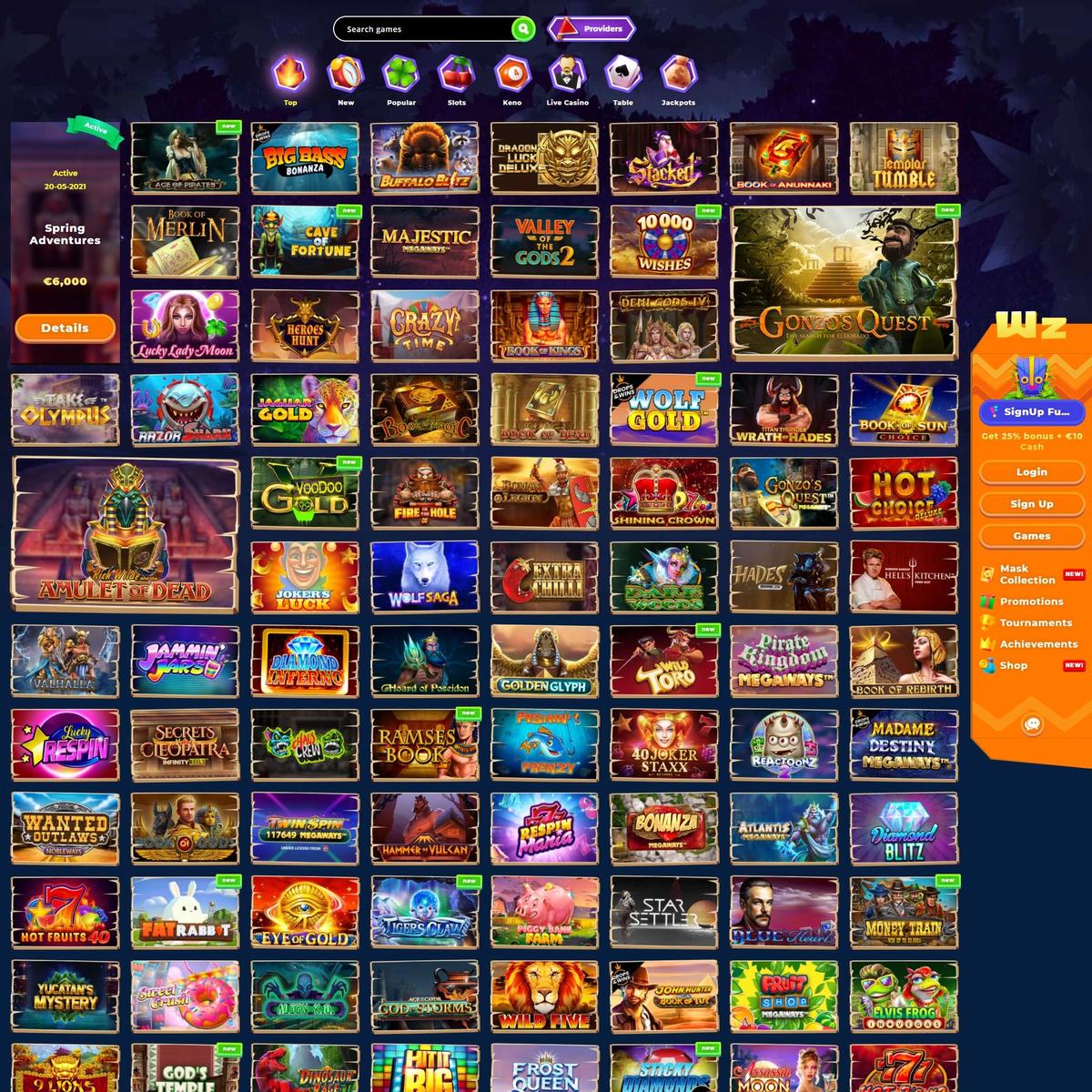
An online casino’s only as good as the studios behind its games. Love Casino pulls titles from a broad mix of major players and smaller boutique outfits. I identified NetEnt, Microgaming, Pragmatic Play, and Evolution Gaming—all well-known brands for British players. The whole lot resides in one unified lobby without separate logins or extra downloads. The filtering tools remained reliable, and I could sort by provider, which is a huge help when you’re attempting to filter a huge catalogue quickly.
I also saw games from Yggdrasil and Play’n GO, which showed me the platform doesn’t lean on a single supplier. That diversification is important because it shares the technical load. If one provider’s server goes down for maintenance, the rest of the library keeps running. I searched for recently released titles and found them live within days of their global debut. That quick integration cycle implies the ops team keeps the software up to date without causing version clashes—a behind-the-scenes detail that directly helps UK early adopters.
- NetEnt: reliable performance with crisp animations and quick loads
- Microgaming: extensive progressive jackpot network handled without disconnects
- Pragmatic Play: mobile-first design perfectly suited for UK on-the-go players
- Evolution Gaming: HD live streams with minimal latency on fixed and mobile broadband
- Play’n GO: streamlined games ideal for older devices and slower networks
Loading Durations for Games and Live Stability
The game lobby appeared instantly on my desktop. I timed individual titles to get a practical view. Big-name studio slots started in about three to four seconds, and live dealer tables took roughly six seconds to secure a stable video feed. Those numbers are more than adequate for UK home broadband, where most people are on standard packages. More importantly, I experienced a single freeze during that first hour of testing, which indicates a lot about how responsive the servers are.
Slot Performance Under Pressure
I purposefully opened several slots back-to-back to see if the platform would stutter. Even during peak evening hours when UK traffic surges, titles like Starburst and Book of Dead played without a single dropped frame. Spins were snappy and direct, with zero lag between clicking and the reels coming to rest. I looked at my task manager and noticed memory use stayed low, which indicates that the client code is nicely compressed. For a casual British player on a modest laptop, that adds up to hours of hassle-free play without the gradual grind to a crawl.
Live Casino Streaming Quality
Live casino software can define the whole experience for plenty of UK punters. I tested roulette and blackjack streams at 1080p. The video adjusted smoothly to my connection, dipping to a crisp 720p only when I deliberately choked the bandwidth. Audio stayed in sync the whole time, and the dealer chat replied in real time. I didn’t once see that annoying buffering circle that haunts some rival sites. That kind of reliability indicates a solid CDN setup with servers tuned for British locations.
Payment Processing and Cashout System Effectiveness
I added £25 with a UK debit card to test how the payment gateway functioned. The transaction processed in seconds, and my balance updated before I even considered to refresh the page. Later, I tested a bank transfer withdrawal. The software showed the pending time correctly and presented clear status markers in the cashier. If you submit your documents right the first time, there’s no requirement for repeat emails, which points to a well-thought-out document management module behind the curtain. That kind of smoothness takes the edge off the stress a lot of British players experience about cashing out.
I also tested PayPal and a popular e-wallet. The transfers to the third-party payment pages went over encrypted channels and redirected me to Love Casino without ending my session. I’ve encountered platforms where a failed return throws you out of your account, but that didn’t take place here. The automatic conversion to sterling was perfect, with no hidden rounding errors. For UK players, gambling in pounds without glitchy exchange rate pop-ups is a essential, and the software nailed it.
- Debit card deposits processed with immediate balance update and no pending loops
- PayPal integration used a secure modal window that kept my game session
- Withdrawal requests locked into a clear queue with automated email confirmation
- Document upload portal handled PDF and photo files without compression failures
- Full transaction history export functioned as a CSV file for personal accounting
My Final Verdict on Technical Reliability
After pulling apart every layer, I can confirm that Love Casino’s software performance lives up to the high bar established by the UK market. The platform never went down, load times remained fast, and mobile play was consistently fluid across devices from high-end to affordable. Bringing together major game providers creates a deep catalogue with no jarring jumps, and the security framework adds necessary protection without impacting performance. Payment flows operated as intended, wiping out a common source of player friction. This is a well-engineered product.
I identified a few minor niggles. On some older Android tablets, the search bar had a minor delay, and I’d love a dark mode toggle for late-night sessions. Those little things don’t spoil the overall stability. British players looking for a reliable, well-run casino will probably find the software under Love Casino more than adequate for the job. My deep dive confirmed that beneath the branding, the engineering holds firm.
- Efficient code provides fast initial loads even on average UK broadband
- Mobile web version rivals native apps in speed and stability
- Cross-provider integration with no separate logins or abrupt visual shifts
- Protected payment systems process GBP transactions with zero conversion errors
- Continuous surveillance and smooth updates point to long-term technical robustness